© Wanderyarns
Budapest
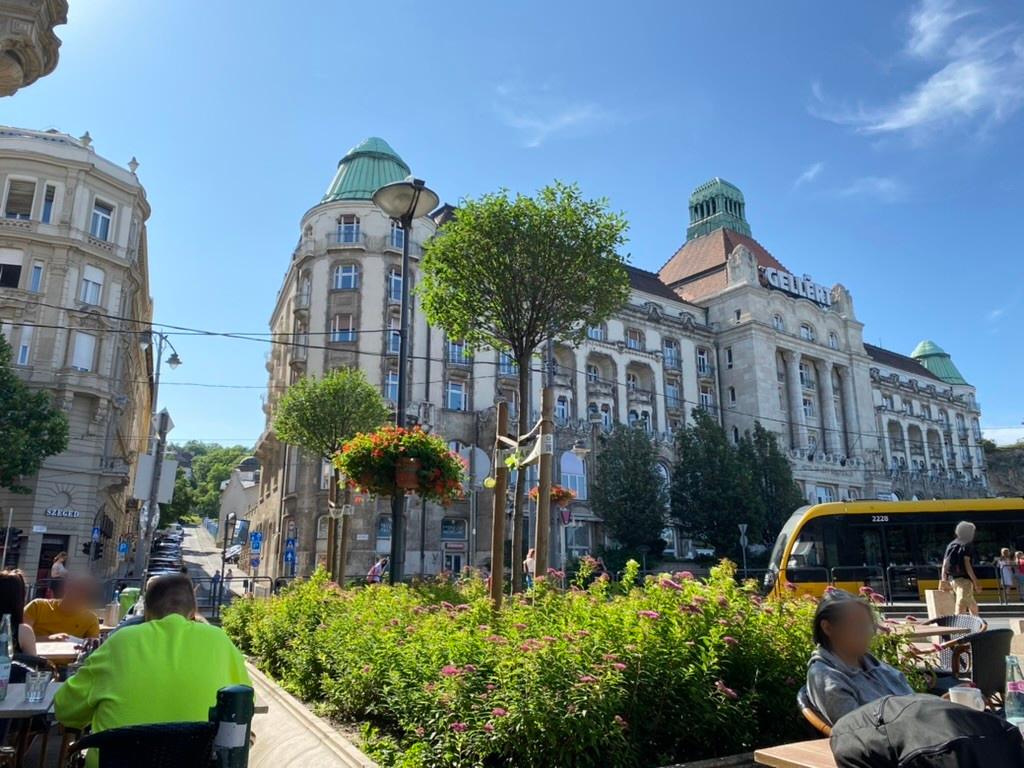
Gellért fürdő
Envie de plonger dans l'élégance d'une autre époque et de te détendre dans un bain thermal Art nouveau emblématique de Budapest ?
L'histoire
Gellért fürdő is Budapest's iconic Art Nouveau thermal bath, opened in 1918 at the foot of Gellért Hill. More than a spa, it's an architectural masterpiece featuring vibrant mosaics, stained glass, and grand halls. Its healing waters, sourced from natural hot springs used since the Ottoman era, offer therapeutic bliss and a deep dive into Hungarian spa culture.
From royal hospital to muddy baths
In the 13th century King András II founded a hospital and bath on this spot. Centuries later, during the Turkish occupation, the Acsik ilidzse bath stood here. After Buda was recaptured the property passed to Emperor Leopold I's house physician, and in 1718 his son sold it to the city of Buda. Locals called it Sáros fürdő—Muddy Bath—because fine spring sediment settled on the bottom of the pools. The simple, barn-like building drew visitors from Budapest and the surrounding villages until 1894, when it was demolished to make way for the Ferenc József bridge.
5 more stories with the city pass
- A spa-city vision
- Wartime construction
- Wave pool and sparkling novelty
- War and discrimination
- Rebuilding and closing
Noms et termes historiques
Art nouveau
L'Art nouveau (szecesszió en hongrois) était le style décoratif des environs de 1900, caractérisé par des lignes fluides, des motifs végétaux et des céramiques colorées.
Contexte
Qu'est-ce que tu veux ici ?
- Tu peux entrer
Horaires et tarifs
Bains
Gellért Thermal Bath (closed for renovation)
Fermé temporairementClosed since 1 October 2025; expected to reopen in 2028.
Site officielVérifié le 1 oct. 2026
- Placc CaféCafé · 3 min à piedM'y emmener
- Spatula CafeCafé · 3 min à piedM'y emmener
- Starbucks GellértCafé · 2 min à piedM'y emmener