Derzsi Elekes Andor
Andrássy út (UNESCO)
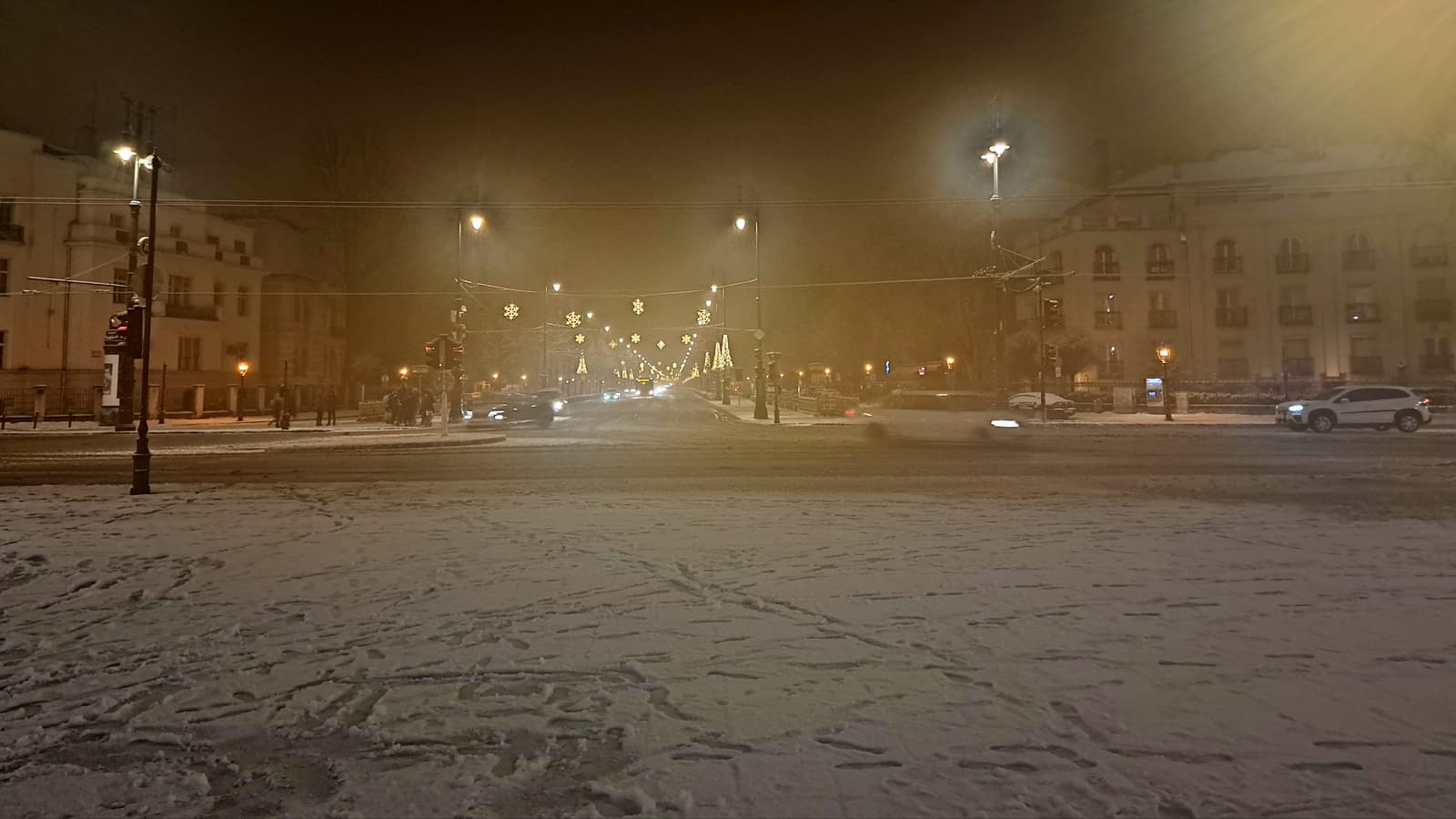
Step onto Andrássy út, the magnificent UNESCO World Heritage boulevard in the heart of Budapest, and feel centuries of history beneath your feet. Designated a UNESCO site in 2002, this grand avenue wasn't always the bustling artery we see today. Imagine, at its opening in 1876, only around 40 houses graced its length, making it a surprisingly quiet, almost hidden Budapest thoroughfare. Even more fascinating, its original surface was paved with wooden blocks – a thoughtful detail designed to cushion the hooves of passing horses. It’s a small detail, but one that adds to the charm of discovering Budapest hidden gems and appreciating the city's meticulous past. This boulevard has witnessed profound changes, reflected in its identity, having been renamed an astonishing five times throughout its life, including the infamous 'Stalin Avenue.' Each name change tells a story of a city constantly evolving, offering a glimpse into a truly off the beaten path Budapest narrative. Today, as you stroll along its elegant expanse on the Pest side, past ornate facades and grand opera houses, you're not just walking a street; you're tracing the footsteps of history. It’s a prime example of how even the most iconic locations hold secret spots Budapest has tucked into their deep, complex past, often unnoticed beneath their modern grandeur. Come, uncover its stories.
Trace centuries of history on Andrássy út, Budapest's UNESCO-listed grand boulevard.
The Story
Step onto Andrássy út, the magnificent UNESCO World Heritage boulevard in the heart of Budapest, and feel centuries of history beneath your feet. Designated a UNESCO site in 2002, this grand avenue wasn't always the bustling artery we see today. Imagine, at its opening in 1876, only around 40 houses graced its length, making it a surprisingly quiet, almost hidden Budapest thoroughfare. Even more fascinating, its original surface was paved with wooden blocks – a thoughtful detail designed to cushion the hooves of passing horses. It’s a small detail, but one that adds to the charm of discovering Budapest hidden gems and appreciating the city's meticulous past. This boulevard has witnessed profound changes, reflected in its identity, having been renamed an astonishing five times throughout its life, including the infamous 'Stalin Avenue.' Each name change tells a story of a city constantly evolving, offering a glimpse into a truly off the beaten path Budapest narrative. Today, as you stroll along its elegant expanse on the Pest side, past ornate facades and grand opera houses, you're not just walking a street; you're tracing the footsteps of history. It’s a prime example of how even the most iconic locations hold secret spots Budapest has tucked into their deep, complex past, often unnoticed beneath their modern grandeur. Come, uncover its stories.
What to Look For
- The ornate facades and grand architectural details of 19th-century buildings.
- The Hungarian State Opera House, a masterpiece of neo-Renaissance architecture.
- Subtle indications of its diverse past, including its five name changes.
- The wide, tree-lined expanses characteristic of grand European boulevards.
- The contrast between its historical elegance and modern-day vibrant activity.
💡 Insider Tip
While the original wooden block paving is gone, picture it beneath your feet. For a complete historical immersion, pair your stroll with a ride on the iconic Millennium Underground Railway, which runs directly below the boulevard.
Photos