© Wanderyarns
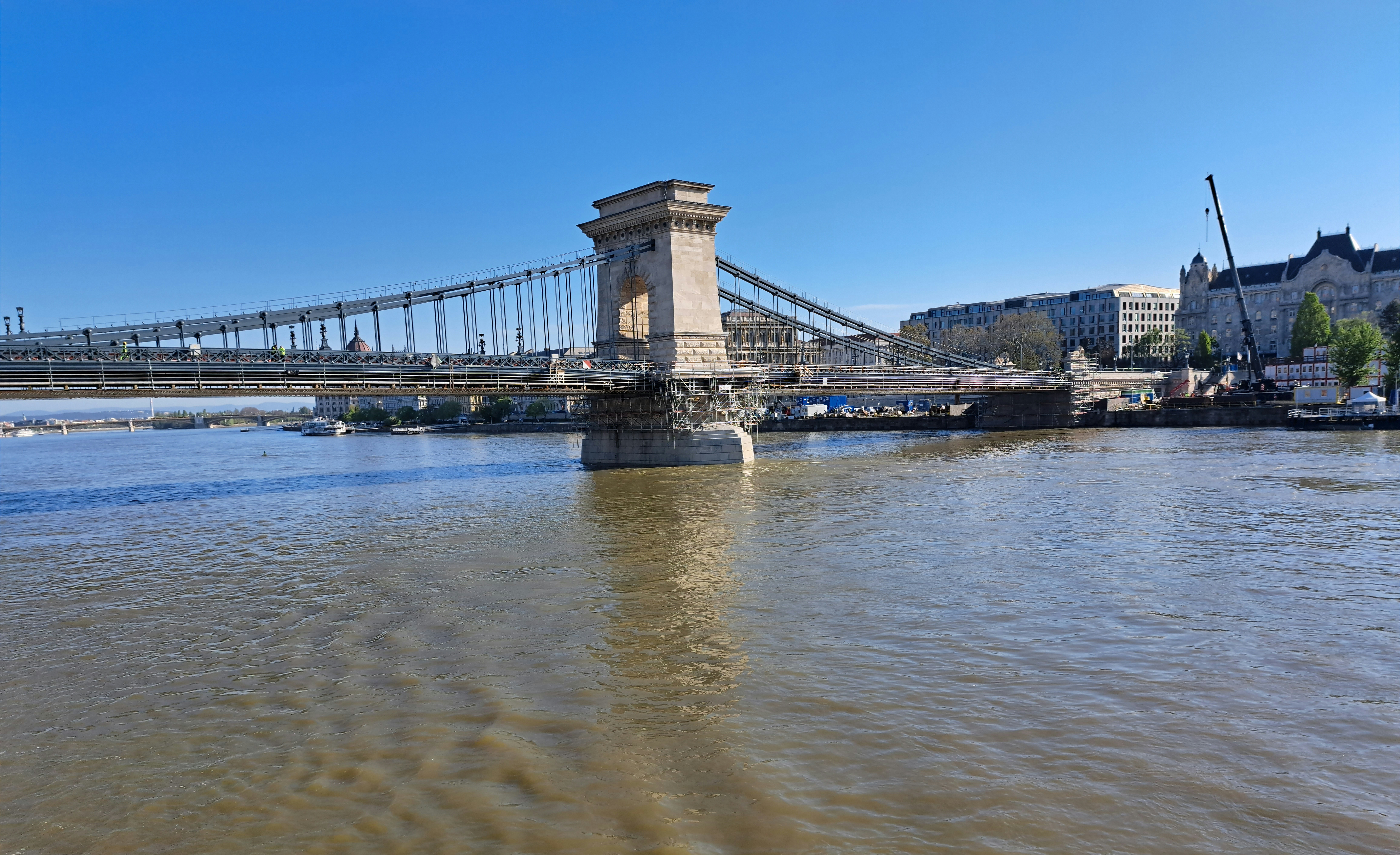
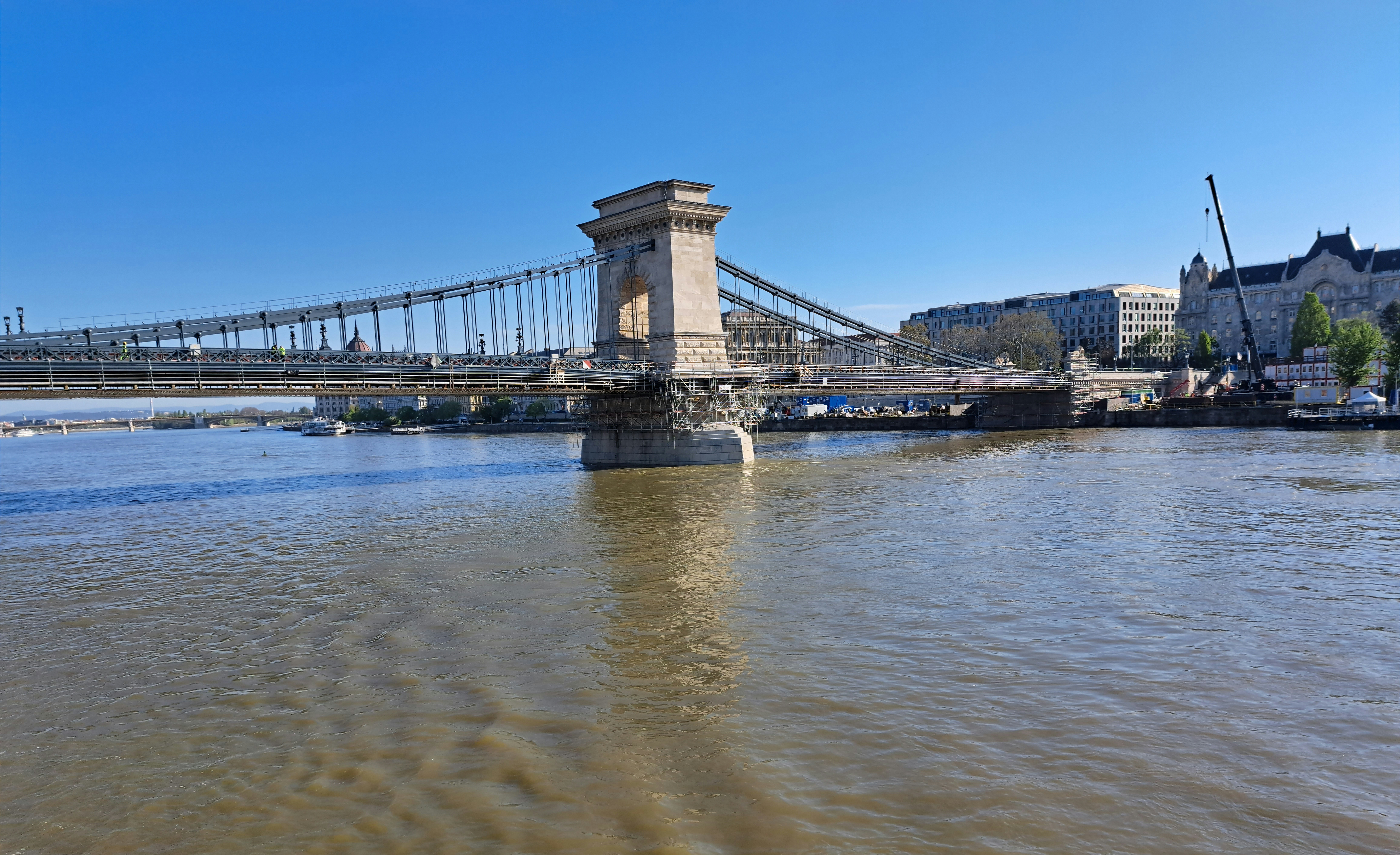
Chain Bridge (Lánchíd)
Imagine the frustration of Count István Széchenyi, stranded by a frozen Danube, leading him to pledge a year's income for Budapest's first permanent bridge. Scottish engineer Adam Clark, whose genius brought this vision to life, eventually settled permanently in the city he helped define. Though completed in 1849, its grand opening was tinged with melancholy, occurring under grim circumstances that tragically prevented Széchenyi, its visionary patron, from ever gracing its magnificent deck. Feel the gentle breeze, hear the city's vibrant hum, and immerse yourself in the enduring spirit of this magnificent capital.
What was the state of the Chain Bridge and how was it used during the Hungarian army's retreat from Buda in January 1849?
January 1849
The Hungarian army's urgent retreat from Buda in early January 1849 was triggered by a report, later disproven, of Austrian units crossing the frozen Danube at Érd. This prompted infantry, cavalry, and artillery units to undertake a forced march across the Chain Bridge to Pest. The crossing was particularly challenging due to the minus 25-degree freezing wind and the bridge's unfinished state; it lacked permanent railings and was only covered with hastily assembled planks. This frantic movement was part of a larger effort over January 3-4 to rapidly transport tens of thousands of soldiers, supplies, and artillery from Buda and Pest.
Sources: A budai vár és ostromai (1979)
The Chain Bridge: Connecting Pest to Buda's Entertainment
Late 19th to early 20th century
The Budai Színkör was a popular, large wooden theater building with 1200 seats, located in Krisztinaváros on the Buda side. In the 19th century, it attracted people from all over, not just Buda residents, hosting famous performers. The theater was eventually demolished in 1937, and although a permanent Buda theater was planned for its place, it was never built. During the theater's peak period, a contemporary report from the Színházi Élet noted that crowds of people from Pest crossed the Chain Bridge. Omnibuses transported theater audiences through the tunnel to and from the Budai Színkör. This demonstrates that the Chain Bridge served as the primary route, enabling residents of Pest to easily reach this popular entertainment venue on the Buda side.
Sources: Nagy Budapesti Kerülethatározó (I.) (2025)
What to Look For
- Sweeping vistas of the Parliament building and Pest riverfront on the other side.
- The Danube River itself, flowing powerfully beneath the bridge.
- At the bridge's Buda end on Clark Ádám tér, beside the funicular, look for the rounded Zero Kilometre Stone (0 km) — the point from which every road distance in Hungary is measured.
Photos