Derzsi Elekes Andor
Petőfi szobor (March 15 Square)
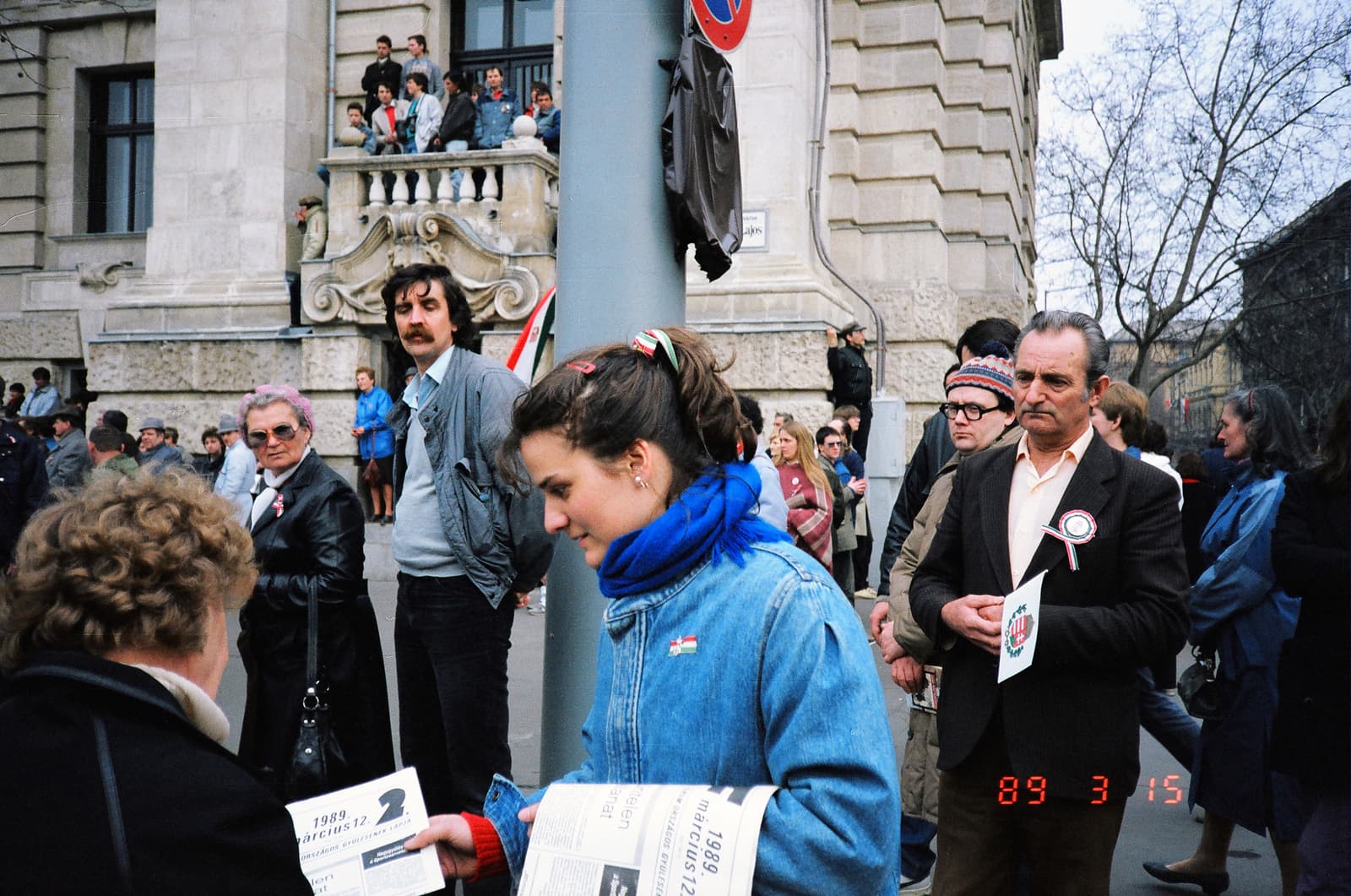
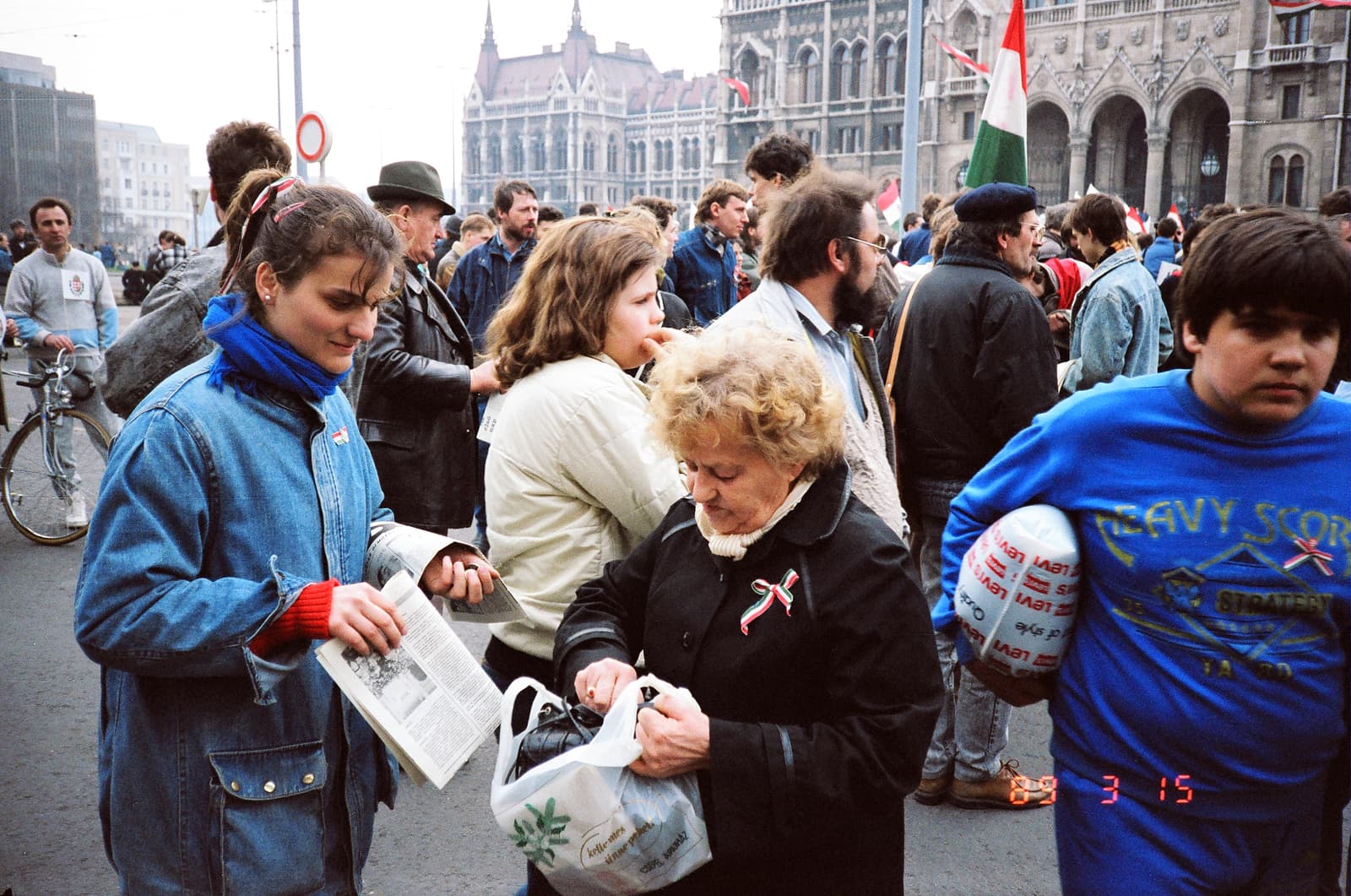
For those seeking a deeper connection to Hungary’s vibrant spirit, Március 15. tér on the Pest side of the Danube reveals a profound piece of <b>hidden Budapest</b>. This isn't just a square; it's a living canvas of national memory, home to the striking Petőfi szobor – a powerful tribute to Sándor Petőfi, the nation's fiery revolutionary poet. While the square itself is central, its pivotal role as a crucible of courage often makes it feel like one of the truly significant <b>Budapest hidden gems</b> for discerning travelers. Imagine standing here, the air thick with the echoes of countless voices that have gathered through generations. This is one of those <b>secret spots Budapest</b> holds close, where history isn't merely observed but deeply felt. On October 23, 1956, this very spot pulsated with the hopes and defiance of thousands who converged before their momentous march to the Parliament building, forever etching this ground into the annals of Hungarian freedom. Feel the ancient cobblestones beneath your feet and look up at Petőfi’s unwavering gaze. Visiting this site offers a unique opportunity to venture <b>off the beaten path Budapest</b>'s usual circuit and truly grasp the city's enduring resilience. It's an emotionally charged landmark that paints a vivid picture of a nation's soul, urging you to listen to its whispers as you explore this captivating piece of <b>historic Budapest</b>.
Uncover the pulse of Hungarian history where a poet's statue inspired a revolution.
The Story
For those seeking a deeper connection to Hungary’s vibrant spirit, Március 15. tér on the Pest side of the Danube reveals a profound piece of <b>hidden Budapest</b>. This isn't just a square; it's a living canvas of national memory, home to the striking Petőfi szobor – a powerful tribute to Sándor Petőfi, the nation's fiery revolutionary poet. While the square itself is central, its pivotal role as a crucible of courage often makes it feel like one of the truly significant <b>Budapest hidden gems</b> for discerning travelers. Imagine standing here, the air thick with the echoes of countless voices that have gathered through generations. This is one of those <b>secret spots Budapest</b> holds close, where history isn't merely observed but deeply felt. On October 23, 1956, this very spot pulsated with the hopes and defiance of thousands who converged before their momentous march to the Parliament building, forever etching this ground into the annals of Hungarian freedom. Feel the ancient cobblestones beneath your feet and look up at Petőfi’s unwavering gaze. Visiting this site offers a unique opportunity to venture <b>off the beaten path Budapest</b>'s usual circuit and truly grasp the city's enduring resilience. It's an emotionally charged landmark that paints a vivid picture of a nation's soul, urging you to listen to its whispers as you explore this captivating piece of <b>historic Budapest</b>.
What to Look For
- The Petőfi szobor itself, observing the poet's defiant posture and gaze.
- The ancient cobblestones, imagining the historical footsteps that have trod this ground.
- Plaques or markers commemorating the significant events of the 1956 uprising.
- The historic buildings framing the square, offering a glimpse into Budapest's past.
- The views towards the Danube River, connecting the square to the city's broader landscape.
💡 Insider Tip
Visit early morning for a quiet, reflective experience, or on March 15th (National Day) or October 23rd to witness national commemorations and feel the square's vibrant historical significance come alive.
Photos