Béla Bartók
Resident composer
“He composed some of his most profound and challenging works within these very walls before making the heart-wrenching decision to leave Hungary amidst the darkening shadows of war.”
Petru suciu
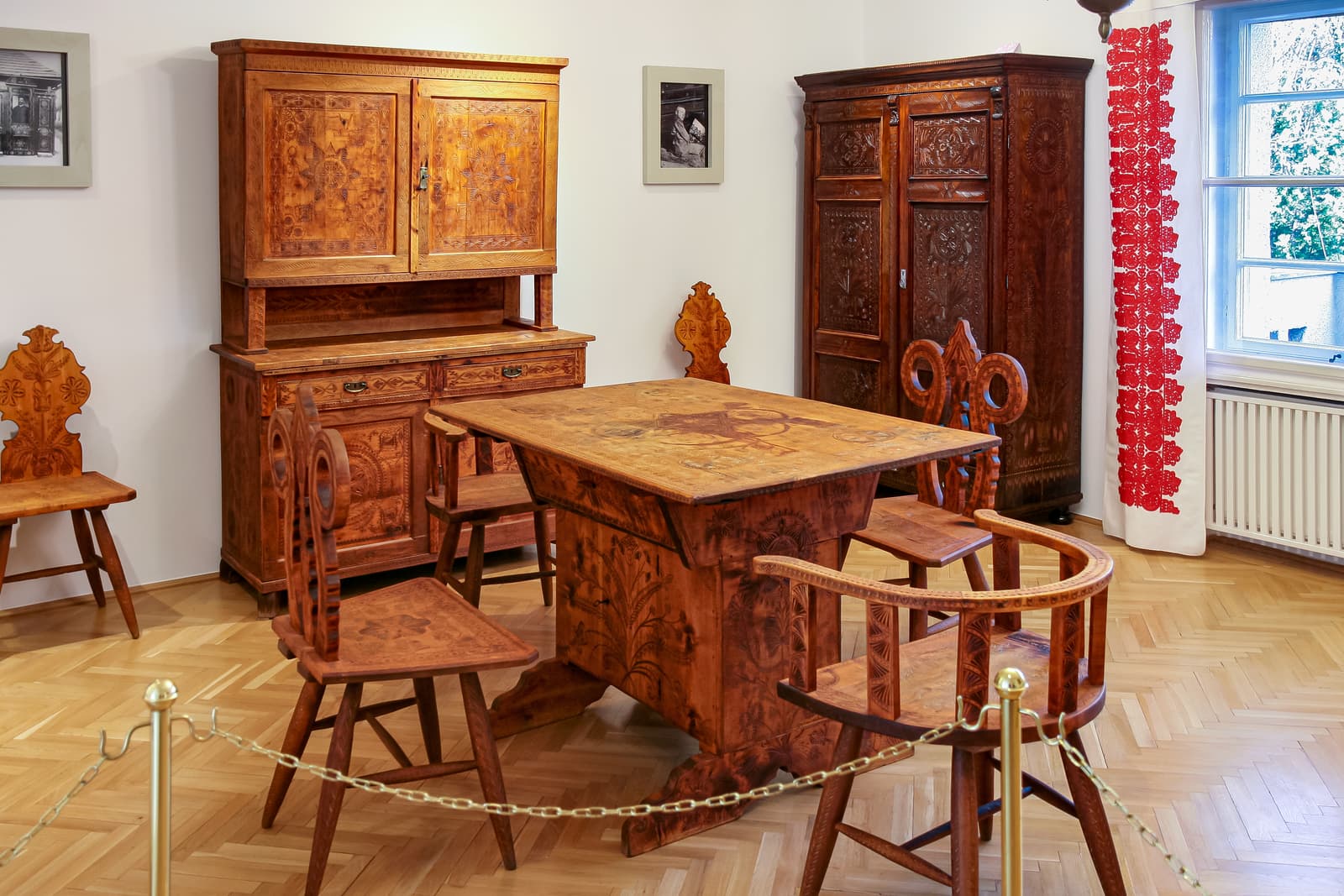
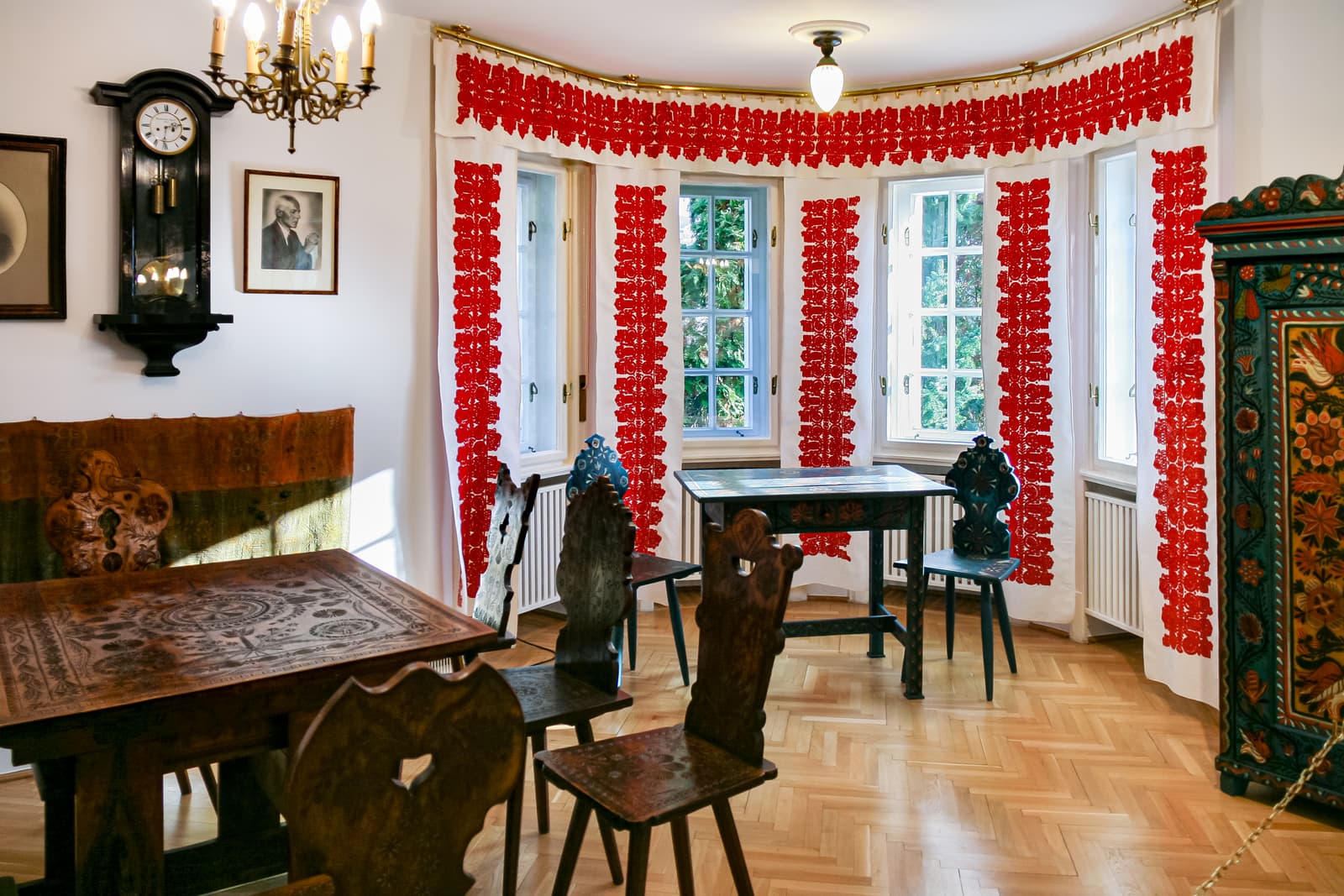
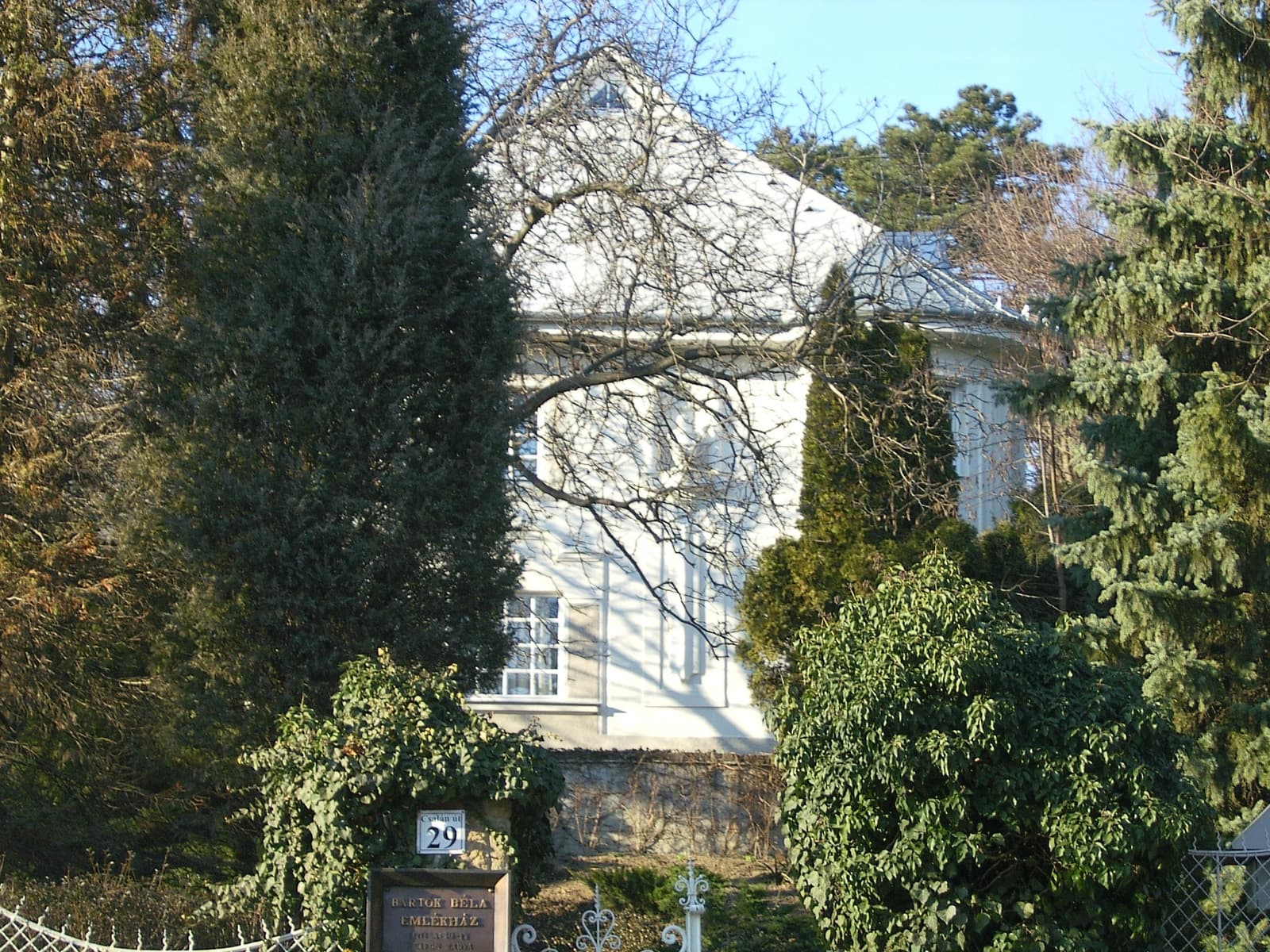
Escape the tourist throngs and uncover one of the true Budapest hidden gems: the Béla Bartók Memorial House. Nestled in a serene corner of Budapest, this isn't just a museum; it's the deeply personal last residence of the legendary Hungarian composer, Béla Bartók. Step back in time as you enter this intimate sanctuary, preserved as if the maestro just stepped out for a moment. Imagine the quiet echoes of melodies that once filled these rooms, where Bartók himself composed his groundbreaking works. As you wander through his meticulously preserved study and living spaces, you can almost feel the weight of history and the spirit of a musical genius, surrounded by his original furnishings, personal items, and instruments. This truly is one of the secret spots Budapest offers, inviting a profound connection with the maestro. For those seeking an off the beaten path Budapest experience, far from the bustling city center and typical landmarks, the Béla Bartók Memorial House provides a unique, contemplative glimpse into the private world of a musical giant. It’s a compelling journey for any classical music lover or anyone eager to explore the rich, hidden Budapest beyond the usual sights. Discover the intimate side of Budapest's cultural heritage in this remarkable and often-overlooked tribute to a titan of 20th-century music.
Step into the silent sanctuary where a musical giant composed his last masterpieces.
In the quiet suburban embrace of Budapest lies a house that, for a time, was the world for Béla Bartók. It was here, in the years leading up to World War II, that the renowned composer sought refuge not just for himself, but for his intensely personal musical vision. As Europe teetered on the brink, Bartók retreated into his creative sanctuary, his instruments and manuscripts silent witnesses to his genius and his growing despair over the rise of fascism. The walls that once vibrated with the birth of groundbreaking compositions soon absorbed his anguish as he contemplated leaving his beloved homeland. This house became the crucible where his artistic integrity clashed with political reality, a poignant testament to a master's final Hungarian chapter before he embarked on a reluctant exile to America, leaving behind a piece of his soul within these very rooms.
Resident composer
“He composed some of his most profound and challenging works within these very walls before making the heart-wrenching decision to leave Hungary amidst the darkening shadows of war.”
Escape the tourist throngs and uncover one of the true Budapest hidden gems: the Béla Bartók Memorial House. Nestled in a serene corner of Budapest, this isn't just a museum; it's the deeply personal last residence of the legendary Hungarian composer, Béla Bartók. Step back in time as you enter this intimate sanctuary, preserved as if the maestro just stepped out for a moment. Imagine the quiet echoes of melodies that once filled these rooms, where Bartók himself composed his groundbreaking works. As you wander through his meticulously preserved study and living spaces, you can almost feel the weight of history and the spirit of a musical genius, surrounded by his original furnishings, personal items, and instruments. This truly is one of the secret spots Budapest offers, inviting a profound connection with the maestro. For those seeking an off the beaten path Budapest experience, far from the bustling city center and typical landmarks, the Béla Bartók Memorial House provides a unique, contemplative glimpse into the private world of a musical giant. It’s a compelling journey for any classical music lover or anyone eager to explore the rich, hidden Budapest beyond the usual sights. Discover the intimate side of Budapest's cultural heritage in this remarkable and often-overlooked tribute to a titan of 20th-century music.
The Béla Bartók Memorial House stands as a silent monument to a profound personal and artistic conflict. During his final years in this home, Bartók found himself increasingly at odds with the rising tide of fascism and anti-Semitism gripping Hungary and Europe. A staunch anti-fascist, he openly defied the oppressive regime, refusing to allow his works to be performed in countries allied with the Nazis. This moral stand, combined with the escalating war, presented him with an agonizing dilemma: remain in his beloved homeland, risking his freedom and artistic integrity, or abandon everything for an uncertain future in exile. The decision to leave this very house, his creative haven, marked the tragic climax of this struggle, forcing a man deeply rooted in Hungarian culture to become a refugee for his principles.
Find the exact spot where Bartók's last piano was positioned in his study, imagining him seated there.
Notice the details of the sheet music or books left open on his desk, as if he just stepped away for a moment.
Locate any personal annotations or dedications on his belongings, offering a direct link to his thoughts.
To enhance your visit, listen to some of Bartók's chamber music or solo piano works before you arrive, allowing the music to resonate within the walls where it was conceived.