© Wanderyarns
Central Market Hall (Nagyvásárcsarnok)
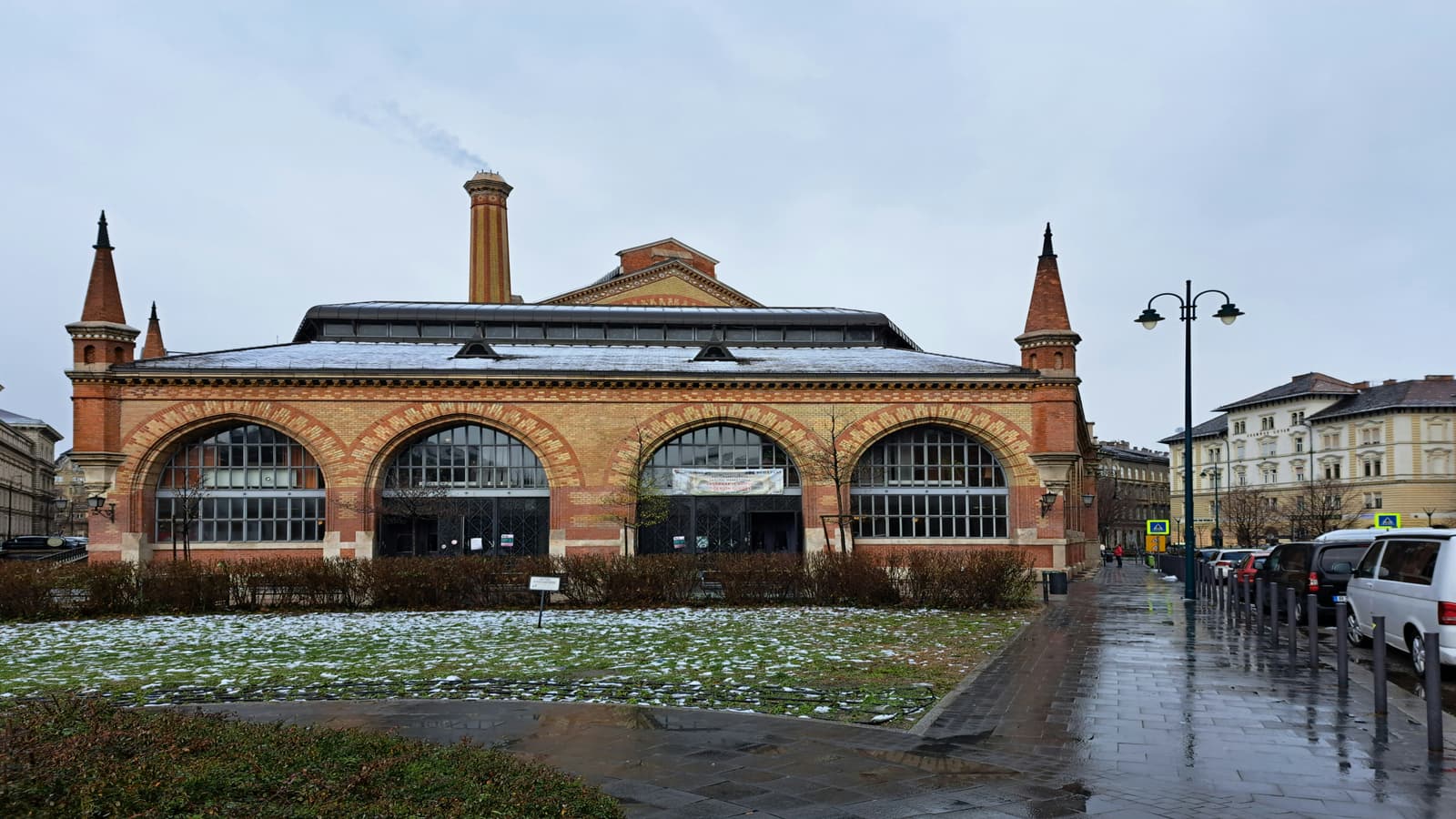
Step into a vibrant symphony of sights, sounds, and aromas at Budapest's Central Market Hall (Nagyvásárcsarnok), a magnificent testament to 19th-century grandeur that truly embodies the city's soul. Its iconic, jewel-toned Zsolnay tile roof shimmers under the light, making it one of Budapest's most photographed architectural wonders even before you step inside. Inside, a world of sensory delights awaits. Immerse yourself in the lively chatter of vendors and locals, the rich scent of paprika, fresh pastries, and Hungarian delicacies filling the air. Navigate aisles brimming with artisanal crafts, vibrant fresh produce, and unique souvenirs.
Budapest: A Natural Nexus for Trade and Markets
18th-19th centuries
Budapest's emergence as a vital trade and market center stemmed from its exceptionally advantageous geographical position within the Carpathian Basin. This region's natural structure funneled economic activity towards Budapest, which served as the demographic, economic, and geopolitical focal point. The Danube River was paramount, facilitating burgeoning agricultural exports in the 18th and 19th centuries, significantly boosting goods traffic. Furthermore, Budapest lay at the intersection of Hungary's four diverse regions, creating prominent market lines where goods were exchanged, with the Tabán ferry offering the easiest Danube crossing and concentrating trade. This inherent advantage was amplified by a 19th-century economic boom and rapid urbanization across the Austro-Hungarian Monarchy. Despite limited sovereignty, Hungarian leadership actively pursued policies like railway development and state support for Budapest, within a common customs and monetary system. This fostered an agglomeration effect, simultaneously developing a robust consumer market, modern industry, and financial institutions, solidifying Budapest's role as an indispensable trade nexus.
Sources: Világváros két évszázad fordulóján (2010)
Business Development Shift Around Central Market Hall
Late 1990s - Present, with future projections
The area around the Central Market Hall has undergone significant business development. From the late 1990s, valuable brownfield sites near the city center, such as the former Ferencváros railway station, were transformed into major business hubs with office buildings and cultural complexes, reaching saturation by the 2010s. As these central areas became denser and new property stock scarce, major new office developments shifted outwards, with 70% of future projects planned for outer areas. Despite this outward shift in new construction, the central business district, including the Market Hall's vicinity, remains highly desirable. Both foreign and domestic companies continue to prefer these "close to the fire" downtown locations, resulting in the lowest vacancy rates in the city center, at 8.4%.
Sources: Világváros két évszázad fordulóján (2010)
Step into Budapest's vibrant heart where history, aromas, and local life converge under a dazzling roof.
What to Look For
- The shimmering, jewel-toned Zsolnay tile roof from the outside.
- The vast array of fresh produce and Hungarian delicacies on the ground floor.
- Artisanal crafts and unique souvenirs on the upper level.
- The architectural grandeur of the interior's ironwork.
💡 Insider Tip
Head to the upper level food stalls for affordable, authentic Hungarian street food like lángos or kolbász, but try to arrive before noon to avoid the longest lunch queues.
Photos