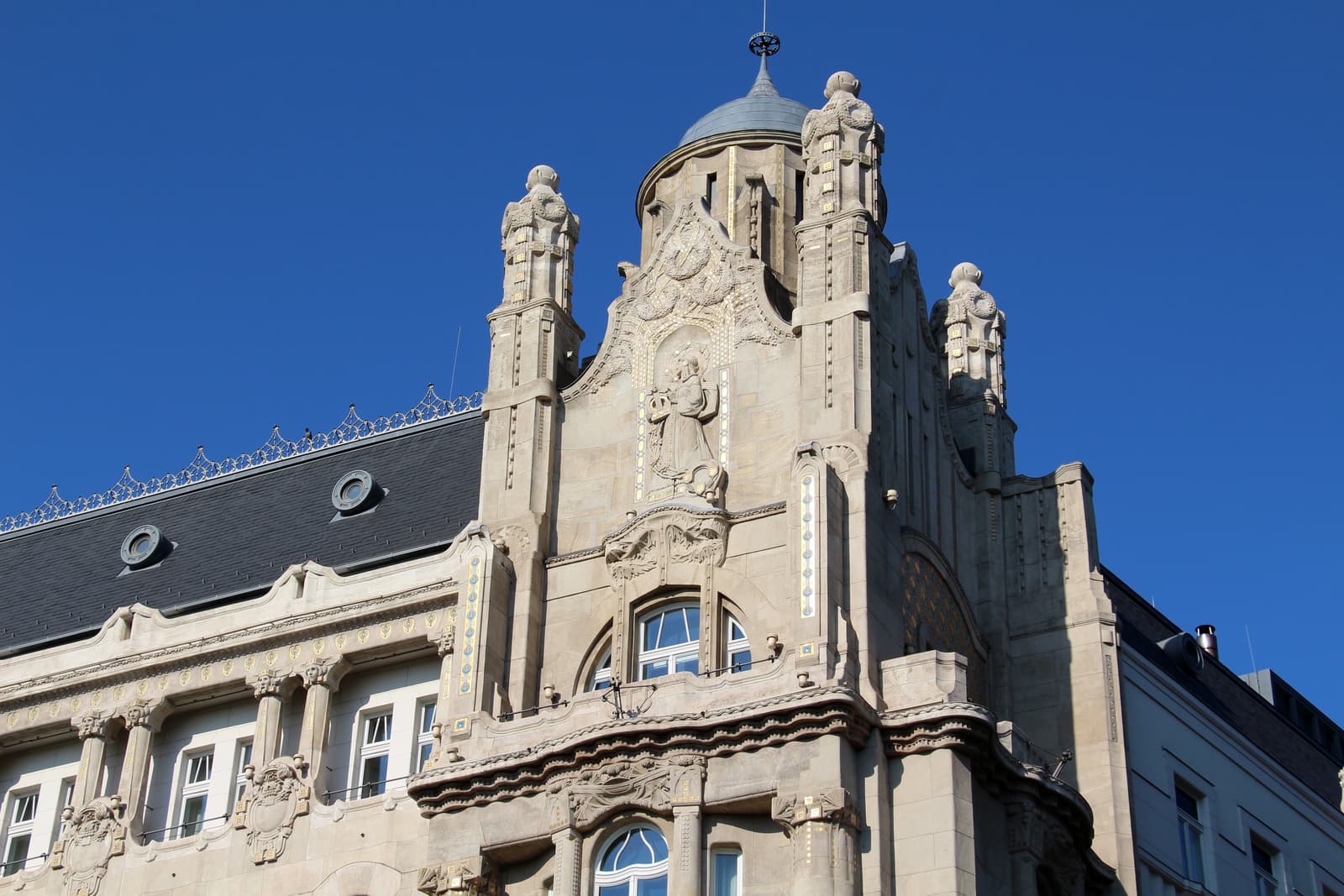
© Fred Romero from Paris, France · CC BY
Széchenyi tér & Lánchíd origin
Imagine the aristocratic world of Count István Széchenyi, peering from his residence right here. He was a visionary, but even grand visions can be born from decidedly messy circumstances. Picture the biting cold of a frozen Danube, the frustrating, interminable wait for a ferry that never seemed to arrive. Then, the indignity: a slip, a splash, and the esteemed Count found himself plummeting into horse dung. That moment of pure exasperation ignited the revolutionary idea for a permanent bridge – the magnificent Lánchíd. Standing on Széchenyi tér today, you can almost feel the weight of that history, the ambition, and yes, the lingering phantom scent of a very bad day that led to something truly great.
Pest's Ambitious Development and Flood Protection Plans
Mid-19th Century
Pest experienced rapid, uncontrolled growth, quickly outgrowing existing urban plans and highlighting an urgent need for comprehensive future development and robust flood protection, especially after the devastating 1838 ice flood. This pressing need spurred ambitious plans, centered around a navigable canal. István Széchenyi first proposed such a canal twenty years earlier and initiated its planning in 1848 as Minister of Transport. Later, hydraulic engineer Ferenc Reitter elaborated on this foundational idea, submitting a comprehensive plan in 1862 for a navigable canal largely following Széchenyi's preferred route. Reitter's proposal aimed to definitively regulate the Danube banks, avert future floods like that of 1838, and facilitate Pest's long-term development by transforming the ancient floodplain into a vibrant new city district with elegant buildings, commerce, and industry.
Sources: Nagykörút
Where one man's messy day sparked Budapest's iconic Chain Bridge — history comes alive!
What to Look For
- The statue of Count István Széchenyi, whose vision led to the Chain Bridge.
- The entrance to the Chain Bridge itself, particularly the intricate lion sculptures guarding it.
- The view across the Danube, showcasing Buda Castle atop the hill, a vista born from the square's history.
- Subtle plaques or markers around the square indicating its historical significance to the bridge's origin.
💡 Insider Tip
For the most atmospheric experience, visit at dawn or dusk.