© Wanderyarns
Táncsics Prison
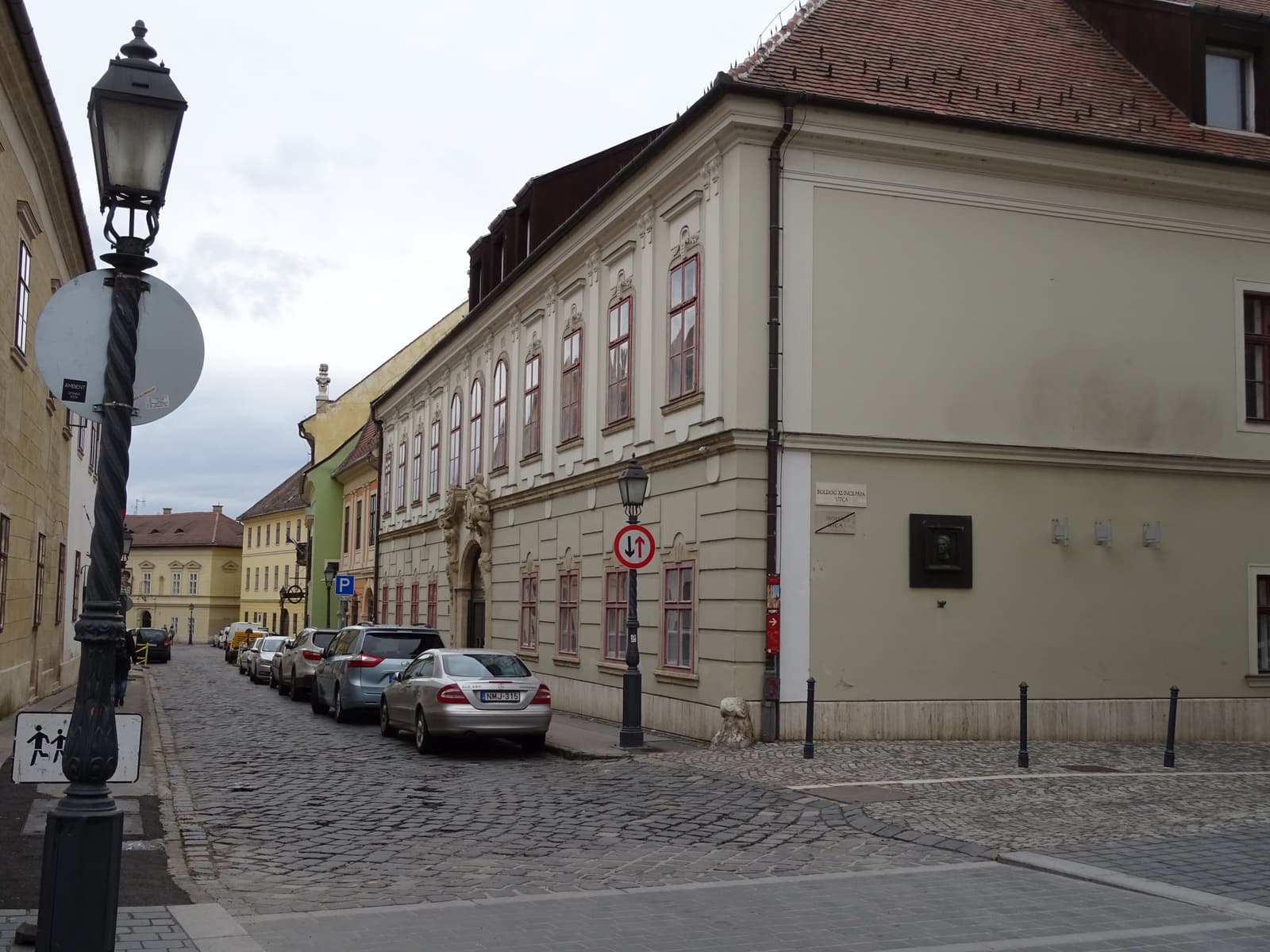
Imagine the hushed corridors and the solemn weight of history within these walls. This is no ordinary edifice; it's the very place where national heroes like the fiercely independent Táncsics Mihály and the revolutionary Kossuth Lajos were once imprisoned. Before the early 18th century, this historic artery in the heart of Budapest was even known as 'Zsidó utca' (Jewish Street), adding another fascinating layer to its rich tapestry.
Historical Significance of Táncsics Street and the Dominican Monastery in Buda
13th Century
The street now known as Táncsics street was originally called Szent Miklós street. The Dominican monastery, named after Saint Nicholas, was built on this street, with the Dominicans being strong supporters of King Béla IV's policies during the Mongol era, aiding in intelligence and fortified construction. They were granted a section of the city wall to build their monastery, which was completed by 1254, strategically incorporating a bastion and using its church sanctuary as a defensive structure. This rapid and strategic construction led to Buda being chosen to host the Dominican Order's General Chapter in May 1254, an event of immense international importance typically held in major European cities like Bologna or Paris. During this pivotal gathering, the "great prince" of the Cumans and his wife, parents of Queen Elizabeth, were baptized within the monastery, and Humbertus de Romanis was elected as the fifth General of the entire Dominican Order. Furthermore, the monastery became a center for pious laywomen, known as beguines, who lived under its supervision and protection.
Sources: Pest-Buda kialakulása (1997)
What to Look For
- The unassuming exterior that belies its significant history.
- Any commemorative plaques or markers for Táncsics Mihály and Kossuth Lajos.
- The cobblestone street (Táncsics Mihály utca) itself, which once bore the name 'Zsidó utca'.
- The overall atmosphere of quiet contemplation and historical weight.
- Architectural details that hint at its prison past.
💡 Insider Tip
While not officially a museum, its exterior and surroundings speak volumes. Go early morning for the most atmospheric visit and to imagine the historical figures walking its cobbled path undisturbed.
Photos