© Wanderyarns
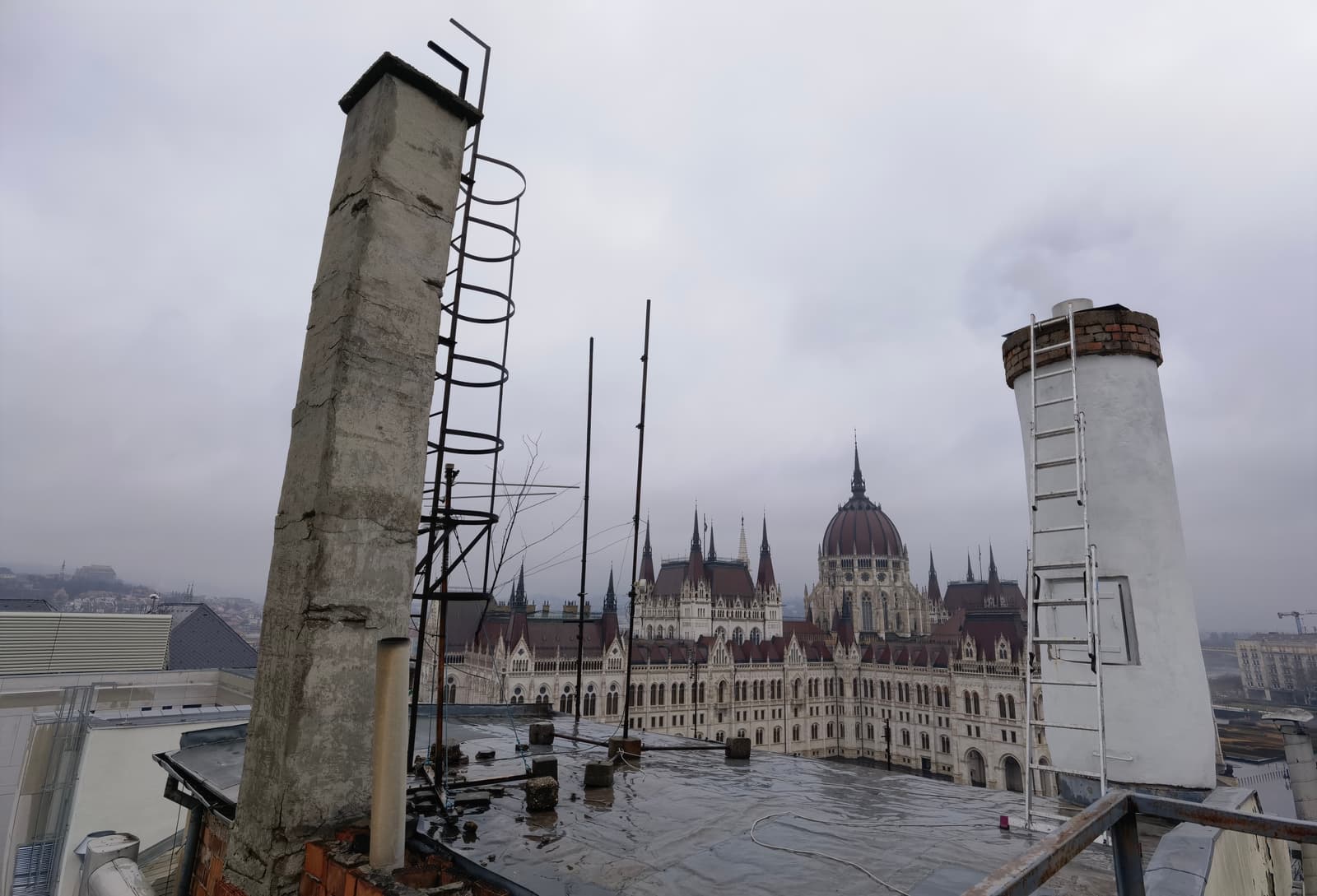
Hungarian Parliament
Imagine standing on the Pest side of the Danube, gazing up at a vision carved from stone and dreams. Take a moment; let your eyes trace the delicate tracery, imagine the history echoing within its walls.
Budapest's Post-War Public Transport Revival
1948
On January 30, 1948, five new Tr 5 type buses, produced by the Heavy Industry Center, arrived at the Parliament's main entrance. This marked a significant event for Budapest's post-war recovery, as these were the first new public transport vehicles introduced in the city since the war. Minister Antal delivered a speech, emphasizing that this event represented a new milestone in the nation's reconstruction. The handover symbolized a crucial step in rebuilding Budapest's public transportation infrastructure after the war's devastation.
Sources: Nagykörút
Parliament Building as a Soviet Objective in Budapest
January 1945
During the Soviet liberation of Budapest, the general attack on the Pest side commenced on January 1, 1945. On the northern right flank, Major General Lazko's 30th Rifle Corps was engaged in combat. This corps was specifically tasked to reach the Danube River at the Parliament building.
Sources: A budai vár és ostromai (1979)
Why Delegates Ended the 1956 General Strike
Delegates in the Parliament initially opposed ending the general strike, which had been ongoing for several days, and had previously rejected the government's demand to resume work. Prime Minister Nagy Imre debated with them, arguing they should not let the country descend into chaos, urging them to stand with the government, and pointing out the danger of the Soviets returning. After presenting his arguments, he left the room, stating that the country's fate and the revolution's success were in their hands. A profound silence fell among the delegates. One delegate, Nagy Elek, recalled strong sentiment from outside that work should not resume until the Russians left, but within the Parliament, he became convinced of the opposite. He broke the silence, stating his belief that Nagy Imre was right. Following his intervention, most delegates agreed, and even the few who initially dissented were persuaded. As a result, they decided to resume work, and their call to end the strike was broadcast on the radio that evening.
Sources: Budapest 1956
Witness Budapest's soul in stone: a neo-Gothic masterpiece commanding the Danube's banks.
What to Look For
- The intricate neo-Gothic turrets, arches, and delicate stone tracery.
- The iconic reflection on the Danube, best viewed from a river cruise or the Buda side.
Photos