© Wanderyarns
Mátyás-templom (Matthias Church)
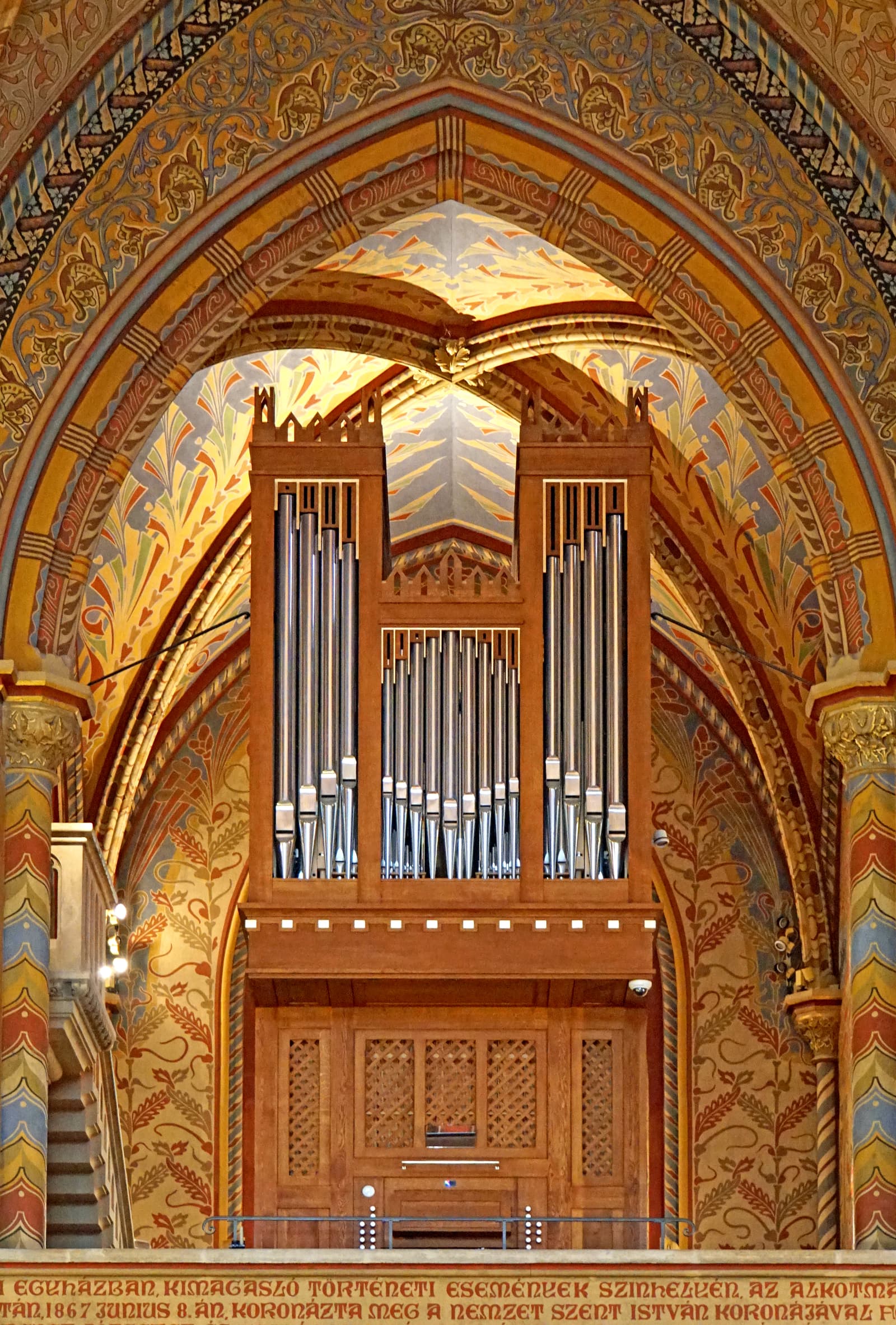
Step into a fairytale from another era as you discover Mátyás-templom, better known as Matthias Church. Its foundations were first laid by King Béla IV in the distant 13th century, making it one of Budapest’s most ancient and revered sanctuaries. Imagine the grandeur that unfolded within these hallowed walls! It was here that King Matthias chose to celebrate both of his royal weddings, and where the magnificent coronations of Franz Joseph and the last Hungarian monarch, Charles IV, took place. Each ceremony, echoing with pomp and solemnity, etched another layer into its legendary past. Beyond the stories, Matthias Church mesmerizes with its dazzling Zsolnay tiled roof, a kaleidoscope of colors against the sky, and an interior adorned with intricate frescoes and stained glass that cast ethereal glows. Don't just admire it from afar; step inside and let the whispered history and visual grandeur of Matthias Church transport you.
The Founding of Mary Magdalene Church on Castle Hill
Mid-13th Century
The Mary Magdalene Church's origin on Castle Hill is rooted in King Béla IV's strategic response to the Mongol invasion of Hungary. Recognizing the vulnerability of unprotected urban centers like Pest and Óbuda, King Béla IV developed a strategic plan around 1244 to consolidate and relocate their populations to the naturally fortified Castle Hill. Settlement began shortly after the Mongols' withdrawal, spurred by alarming news. Initially, Hungarian settlers from Buda váralja established themselves on the hill, preceding German settlers from Pest. These Hungarian settlers founded the Mary Magdalene Church, making it a central point for their new community. German settlers from Pest later arrived, settling around the Matthias Church.
Sources: Pest-Buda kialakulása (1997)
The Dormitory: A Spark for the 1956 Hungarian Revolution
October 1956
The building at Szentháromság tér 6, next to Matthias Church, served as the central student dormitory for the Technical University and became a crucial starting point for the October 1956 student movements. Despite challenging living conditions, students were considered privileged, fostering a growing discontent influenced by groups like the Petőfi Circle. On October 19th, 1956, students gathered in this dormitory to formulate their 15-point demands, addressing university autonomy, the establishment of a new democratic student representative body, and a reduction in ideological education. Another significant meeting took place on October 21st. By providing a central location for articulating initial demands and organizing revolutionary sentiments, the dormitory directly contributed to igniting the broader student movements that escalated into the 1956 Hungarian Revolution.
Sources: Budapest 1956
What to Look For
- The dazzling, kaleidoscope-like Zsolnay tiled roof from outside.
- The intricate frescoes covering the interior walls and ceilings.
- The vibrant stained glass windows casting ethereal light.
- The specific spots within the nave where royal coronations took place.
- The architectural elements reflecting its 13th-century Gothic origins.
💡 Insider Tip
Visit during a weekday morning to avoid the main crowds and truly appreciate the intricate details and quiet reverence without distraction.
Photos